taco soup recipe is a casual American comfort food built around the familiar flavors of tacos, but served in a bowl instead of a tortilla. It is often linked with Tex-Mex cooking and is sometimes called taco stew when it has a thicker consistency. The dish became popular as an easy family meal because it is filling, flexible and familiar. For many people, taco soup is simply a warm, hearty meal that works well on a weeknight or at a casual gathering.
Taco soup can easily turn out too watery, too salty, or lacking in flavor. This guide covers the simple details that help you get the balance right.
1. Start With a Flavorful Foundation
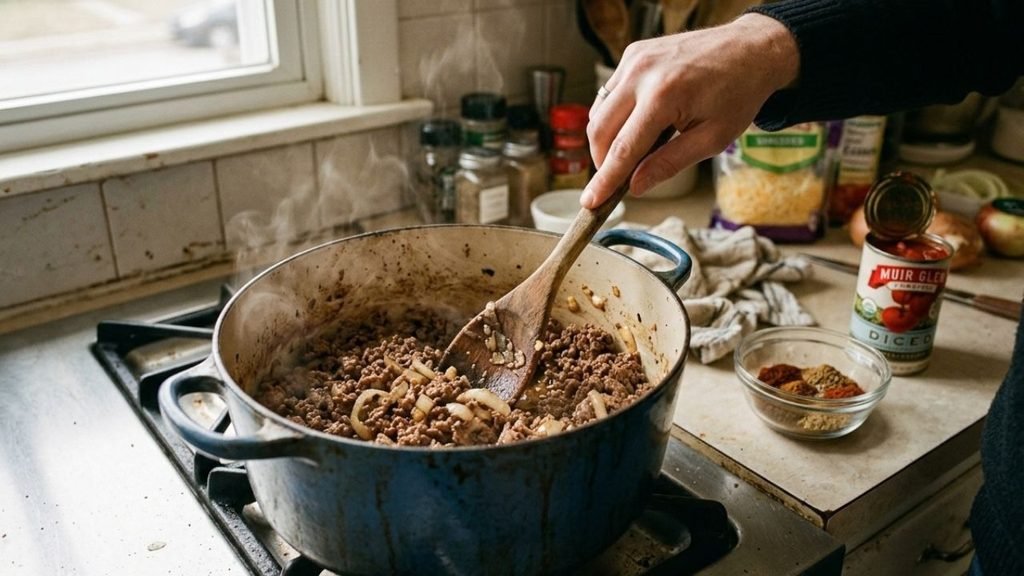
The first few minutes of making taco soup have more influence on the final bowl than they might seem. A common problem is building the soup too quickly. When the base lacks depth, later seasoning often has to work too hard to compensate. A more balanced foundation gives the other flavors something to sit on.
Onion, garlic and properly browned meat can create that savory starting point. Tomato adds a gentle sweetness and acidity, while taco seasoning brings the familiar warmth associated with the dish.
The goal is not to make the base intensely flavored. It should simply have enough character that the finished soup does not depend entirely on toppings to taste interesting.
2. Make the Taco Flavor Clear, Not Overpowering
taco soup recipe should taste recognizably like taco soup, but there is a difference between a clear flavor and an aggressive one. Cumin gives the dish its earthy depth, while chili powder brings warmth and color. Garlic, onion and black pepper can support those flavors without competing with them.
One of the easiest mistakes is adding too much seasoning because the soup tastes weak early on. That can backfire once the soup has simmered and the flavors have concentrated.
A better approach is gradual adjustment. Taste the soup after it has had time to come together, then decide what is actually missing.
Sometimes it needs more seasoning. Sometimes it simply needs salt or acidity.
3. Keep the Soup Thick Enough to Hold Its Character
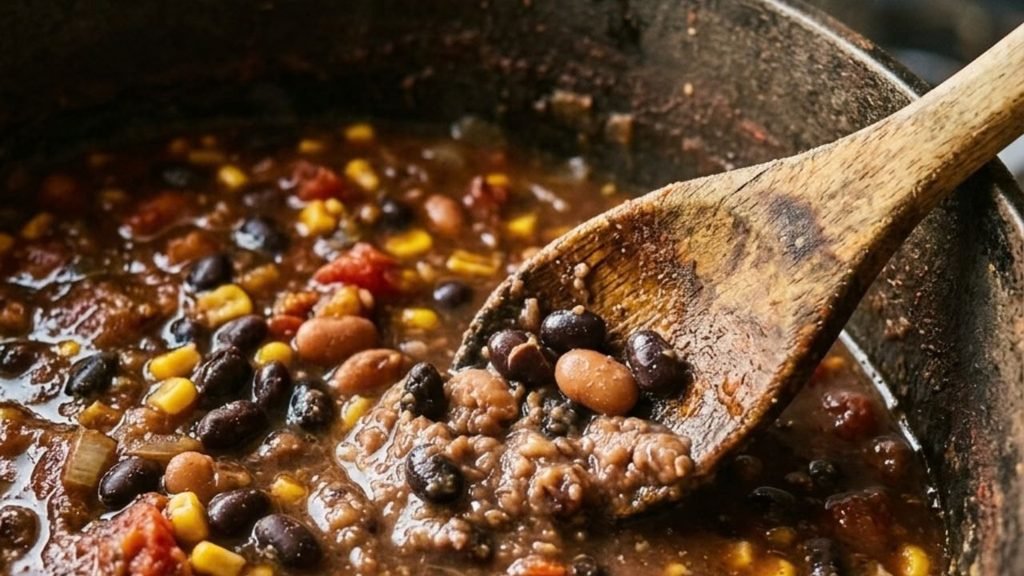
There is nothing wrong with a brothy taco soup recipe, but excessive liquid can make the whole dish taste diluted. The ingredients should feel connected by the broth rather than separated by it. You want enough liquid to make it unmistakably soup, but enough substance that a spoonful still carries the main flavors.
This is particularly important because tomatoes, beans and other ingredients can contribute their own liquid. Adding too much broth at the beginning can leave you chasing flavor later.
If the soup becomes too thin, a longer uncovered simmer can help concentrate it. If it becomes too thick, a little extra liquid is usually enough to correct it.
The right consistency is less about an exact measurement and more about whether the bowl feels full-bodied.
4. Let Beans Do Some of the Heavy Lifting
Beans are one of the reasons taco soup feels substantial without becoming a heavy stew. Black beans, pinto beans and kidney beans all work well, and using more than one variety can create a little visual and textural variation. Their mild flavor also allows the taco seasoning and tomato base to remain prominent.
There is another useful trick here: not every bean needs to remain completely intact.
Lightly crushing a small amount can naturally thicken the taco soup recipe and give the broth more body. The remaining whole beans provide texture, so the result does not become completely smooth.
It is a simple way to make the soup feel richer without making it complicated.
5. Keep a Little Sweetness in the Background
Corn is easy to overlook because it is rarely the dominant flavor in taco soup. That is exactly why it works. Its mild sweetness provides relief from chili, tomato and savory meat. It also gives the soup another texture, especially when the kernels remain distinct rather than becoming completely soft.
Fresh, frozen or canned corn can work depending on what is available.
The important thing is balance. Too much corn can make the soup noticeably sweet, while too little may leave the flavor profile feeling more heavily weighted toward tomato and spice.
A modest amount is usually enough to make the difference noticeable without making it the focus.
6. Use Lime to Wake Up the Finished Bowl
A soup can have plenty of seasoning and still taste strangely dull. That is often an acidity problem. Fresh lime is especially useful with taco soup because it brings brightness to a rich, tomato-based bowl. It also makes the spices feel sharper without actually increasing their heat.
The timing matters. Fresh lime has a cleaner effect when added near serving rather than cooked for a long time.
This is also where fresh cilantro, green onion or sliced jalapeño can become useful. They add a fresher character that balances the softer, cooked flavors already in the pot. When using fresh produce, a quick rinse under running water is the simple approach recommended by the FDA; soap or commercial produce washes aren’t necessary.
When a bowl feels heavy, reaching for something bright is often more effective than reaching for another spoonful of seasoning.
7. Save the Best Texture for the Last Minute
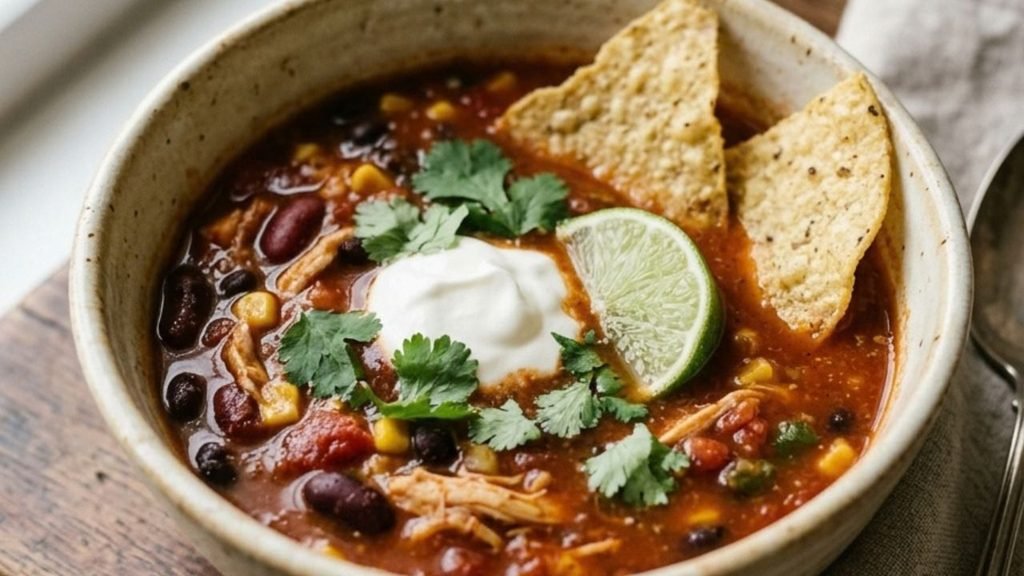
taco soup recipe is naturally soft. Most of its ingredients spend time simmering together, which is part of its comfort-food appeal. But too much softness can make every bite feel the same. That is where toppings become more than decoration. Crushed tortilla chips add crunch. Sour cream brings cool creaminess. Shredded cheese melts into the heat. Fresh herbs add a sharper aroma. Avocado contributes another soft but rich texture.
You do not need all of them.
A couple of contrasting toppings are usually enough to make the bowl more interesting. Most importantly, add anything crunchy at the very end so it stays crunchy.
Small Fixes for the Most Common Problems
Sometimes the soup is almost right but not quite there. Instead of changing everything, identify the specific problem.
watery: Let it reduce uncovered rather than immediately adding more seasoning.
salty: Increase the unsalted bulk of the soup or loosen it slightly, then rebalance the flavor.
spicy: Add a creamy or cooling topping and avoid piling on more heat.
heavy: Fresh lime or another acidic element can bring the flavors back into focus.
bland: Check salt first. If the seasoning is already strong, the soup may need acidity rather than more spices.
Too thick: Add small amounts of stock or water until the texture loosens.
Too soft: Add a crunchy topping immediately before serving.
These fixes work because they address the actual imbalance instead of treating every problem as a seasoning problem.
Toppings That Change the Whole Bowl
The right topping can make a familiar taco soup feel completely different.
- Tortilla chips: Add the crunch that the soup itself lacks.
- Sour cream: Softens heat and adds richness.
- Shredded Cheddar: Brings saltiness and a creamy finish as it melts.
- Fresh cilantro: Adds a bright herbal note.
- Lime wedges: Cut through richness and sharpen the tomato and spice.
- Diced avocado: Adds richness without increasing heat.
- Fresh jalapeño: Gives a cleaner, sharper heat than cooked chili.
Rather than covering the entire surface with toppings, choose a few that solve a particular texture or flavor problem.
FAQ’s
1. Can taco soup be made ahead?
Yes. The soup can be prepared ahead and reheated gently. Keep crunchy toppings separate until serving.
2. How do you make taco soup less spicy?
Reduce the amount of hot seasoning and use cooling toppings such as sour cream, cheese or avocado. A little extra mild broth can also soften the overall intensity.
3. What beans work best in taco soup?
Black beans and pinto beans are dependable choices. Kidney beans also work well when you want larger beans with a firmer texture.
4. How do you thicken taco soup naturally?
Simmering uncovered reduces excess liquid. Lightly crushing some of the beans can also give the soup more body without adding a separate thickener.
5. Why add lime to taco soup?
Lime adds acidity, which can brighten a rich soup and make its existing flavors taste more defined.
The Difference Is in the Balance
The appeal of taco soup recipe has never depended on complicated cooking. Its character comes from familiar flavors working against one another: savory and sweet, rich and bright, soft and crisp, warm and fresh. That is why the best improvements are usually small. Keep the broth under control, let the taco seasoning remain recognizable, give the soup enough body, and finish it with something fresh and something with texture.
A good taco soup does not need to be elaborate. It simply needs each part of the bowl to have a reason for being there.