NIB is more than a chocolate name. The brand comes from NIB Candy Factory, founded in Addis Ababa in 1973 by Teshome Jobira and his wife, Belaynesh Desta. The company first became known for confectionery before moving into chocolate production in 2012. Today, nib chocolates seen under the name NIB Candy and Chocolate Factory, with its chocolate range covering different styles and sizes rather than one single signature bar.
Choosing the right NIB chocolate can be tricky when you are unsure which type, size, or style will suit you or the person you are buying for. This guide makes that choice easier.
1. Start With the Kind of Chocolate You Actually Enjoy
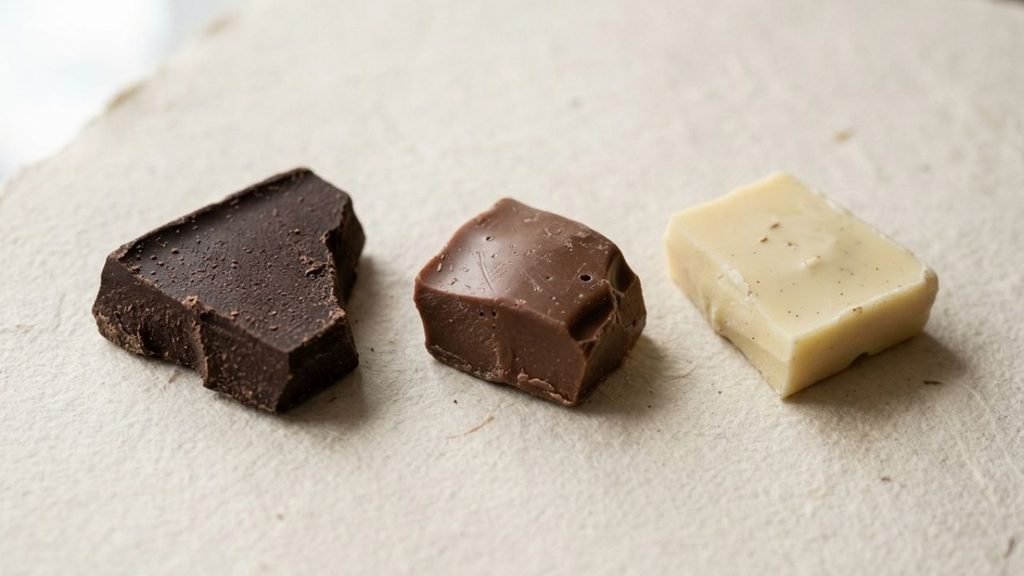
The easiest mistake is choosing a NIB chocolate because someone else describes it as their favorite. Your starting point should be the kind of chocolate you normally reach for. NIB’s range includes milk, dark and white chocolate, giving you three noticeably different directions. Milk chocolate is generally the softer, sweeter choice; dark chocolate tends to have a deeper cocoa character; white chocolate moves toward a sweeter, creamier style.
None of those categories automatically makes one bar better than another. They simply create different experiences.
If you already know that you dislike strong bitterness, jumping straight to a dark bar because it sounds more sophisticated probably will not improve the experience. Likewise, someone who prefers a stronger cocoa taste may find a very sweet chocolate less satisfying.
The useful question is not which type is best? Which type already fits your palate?
2. Let the Size Match the Moment
NIB chocolate comes in several sizes, including smaller bars and larger 85g and 100g formats. That difference is easy to overlook because the chocolate itself remains the focus. But size can change what makes sense for the purchase.
A smaller bar works well when you want something personal, want to try a particular type for the first time, or simply do not want a large amount of chocolate sitting around.
A larger bar makes more sense when the chocolate is intended to be shared, kept for several servings, or given as a simple gift.
This is less about getting “more for your money” and more about buying an amount that fits the situation. A large bar is not automatically a better choice if you already know you prefer smaller portions.
3. Don’t Confuse Familiarity With Preference
Some NIB chocolates are easier to recognize because they have been around longer or are sold more widely. That familiarity can quietly influence a purchase. It is worth separating the two. A chocolate can be familiar because you have seen it repeatedly, while another may actually suit your taste better. NIB’s range has expanded considerably since the company entered chocolate manufacturing, so the familiar bar is not necessarily the only sensible starting point.
If you are buying NIB for the first time, treat the first purchase as a reference point rather than a final verdict.
Notice what you liked about it: the sweetness, the strength of the chocolate flavour, the texture, or simply how easy it was to enjoy. The next choice becomes much easier when you know what you are comparing it with.
4. Give Dark Chocolate a Fair Reading
The word “dark” can create expectations before the chocolate is even opened. Some people associate dark chocolate with a very bitter, intense taste. Others choose it specifically because they want a stronger cocoa presence. Neither assumption tells you exactly how a particular NIB dark chocolate will feel to you.
NIB lists both a regular dark chocolate and a New Dark Chocolate in its current range, which is a useful reminder that even one broad category can contain more than one option.
If you normally prefer milk chocolate, a dark bar may feel like a significant change. If you already enjoy darker chocolate, having more than one NIB option gives you room to compare rather than treating “dark” as one fixed flavour.
The important part is to judge the chocolate you actually have in front of you, not the reputation attached to the word.
5. Choose White Chocolate for What It Is
White chocolate often gets treated as the odd one out, particularly by people who think of chocolate mainly through cocoa intensity.
That can make it easy to overlook.
NIB’s range includes white chocolate in smaller and larger formats, as well as a premium version. Its appeal is different from dark chocolate: it is built around a much sweeter, softer style rather than a pronounced cocoa bitterness.
That makes it particularly relevant when the person receiving the chocolate already knows they prefer sweeter confectionery.
It can also be a better choice for gifting when you do not know someone’s preference for dark chocolate. But that is precisely why it should not be treated as a universal crowd-pleaser. Some people love its sweetness; others find it too sweet.
Knowing that difference before buying is more useful than simply choosing the lightest-looking package.
6. Look Past the Word “Premium”
Premium is one of those words that can make a decision feel finished before you have actually made one. NIB includes a premium chocolate in its range, but the label should not automatically become a shortcut for “this is the best one.”
Premium positioning can make sense when you are choosing a gift or looking for something presented as a more special option. But if the person receiving it strongly prefers a particular chocolate style, preference should come first.
A premium milk chocolate will not suddenly become the right choice for someone who dislikes milk chocolate.
The better way to think about premium is as a context choice, not a universal quality ranking. For an everyday personal treat, familiarity and preference may matter more. For a gift, presentation and format may carry more weight.
7. Make the Occasion Part of the Choice
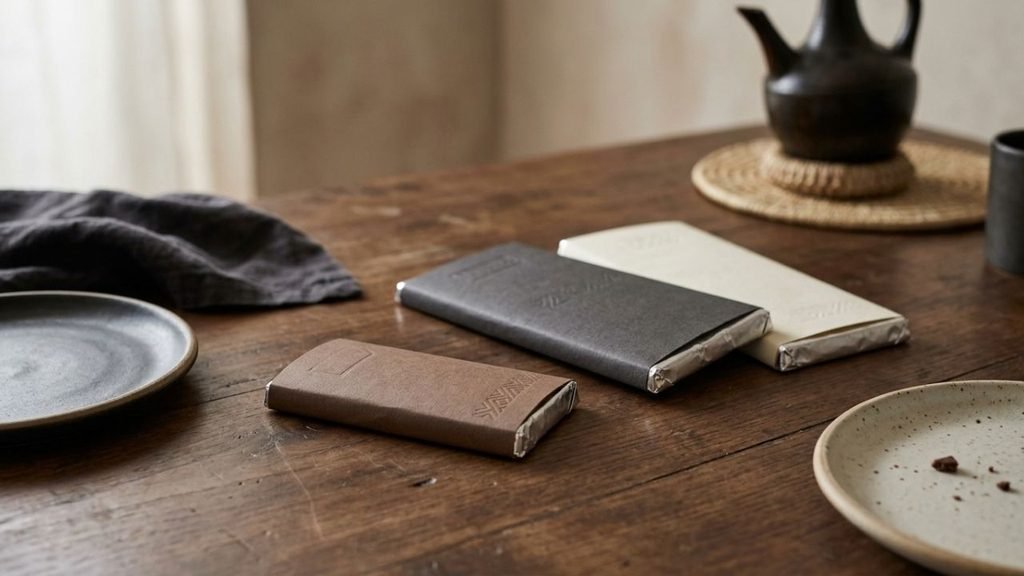
Chocolate changes slightly depending on why you are buying it. A small NIB bar can make sense as an everyday treat. A larger bar can work better when several people are expected to share it. Smaller chocolates can also suit gift baskets or occasions where several varieties are being offered together.
NIB itself presents different chocolate products around occasions such as birthdays, Valentine’s Day and Christmas, which reflects something simple about chocolate buying: the same product can feel different depending on the moment in which it is given.
This is where choosing becomes less about chocolate knowledge and more about paying attention.
For yourself, choose according to taste. For a gift, think about the other person’s taste. a gathering, think about variety and size. There is no reason every chocolate purchase needs to follow the same rule.
A Better Way to Narrow the Shelf
If several NIB chocolates are sitting in front of you and you cannot decide, reduce the choice in this order
First, choose the chocolate style.
Milk, dark or white.
Then choose the size.
Small for a personal try or larger for sharing and gifting.
Then consider the occasion.
Everyday treat, first-time purchase, gift or celebration.
Finally, consider how adventurous you want to be.
If you already know your preference, stay close to it. If you are curious, use the purchase to explore another NIB style.
This takes the pressure out of trying to identify one “best” NIB chocolate. There isn’t necessarily one.
FAQ’s
1. Is NIB a chocolate brand or a candy company?
nib chocolates began as a confectionery company and later expanded into chocolate. The company is known as NIB Candy Factory and NIB Candy and Chocolate Factory.
2. When did NIB start making chocolate?
NIB says it entered chocolate manufacturing in 2012, several decades after the company was established in Addis Ababa in 1973.
3. Does NIB make dark chocolate?
Yes. NIB’s range includes dark chocolate, including a 100g dark chocolate and a New Dark nib chocolates option.
4. Does NIB make white chocolate?
Yes. The range includes white chocolate in different sizes, including smaller bars and 100g formats.
5. Which NIB chocolate is best for a first purchase?
There is no single answer. If you already know your preference, start there. If you normally eat milk chocolate, it is the least disruptive starting point; if you prefer stronger cocoa flavours, dark chocolate is the more natural direction.
The Choice Becomes Easier Once You Stop Looking for The Best
Choosing nib chocolates does not really require a complicated ranking system. The more useful approach is to notice the small differences: what kind of chocolate you enjoy, how much you need, who it is for and what the occasion calls for. NIB’s own history also adds context to the choice. The chocolate bars are part of a much older Ethiopian confectionery company, not a brand that appeared with chocolate alone.
That broader manufacturing context is worth remembering when looking at products made in Ethiopia, where the Institute of Ethiopian Standards serves as the country’s national standards body and works across areas including quality, safety and standardization. It makes the range more interesting than a simple row of competing wrappers.