Gazpacho is often associated with the warm summers of southern Spain, particularly Andalusia, where it has long been part of the local food culture. The word gazpachera is associated with the vessel used to serve this familiar dish, often a traditional ceramic bowl. It is also linked to the wider tradition of the lebrillo, a broad bowl used in Spanish households for different purposes. Although the names and forms can vary by region and context, these objects share a place in the everyday life of Spanish cuisine.
But what makes the gazpachera worth knowing about when an ordinary serving bowl can do much the same job? Its connection to regional pottery, traditional dining and the way Spanish culinary customs have changed over time gives this simple object a story beyond its appearance.
The Gazpachera’s Place in Spanish Food Culture
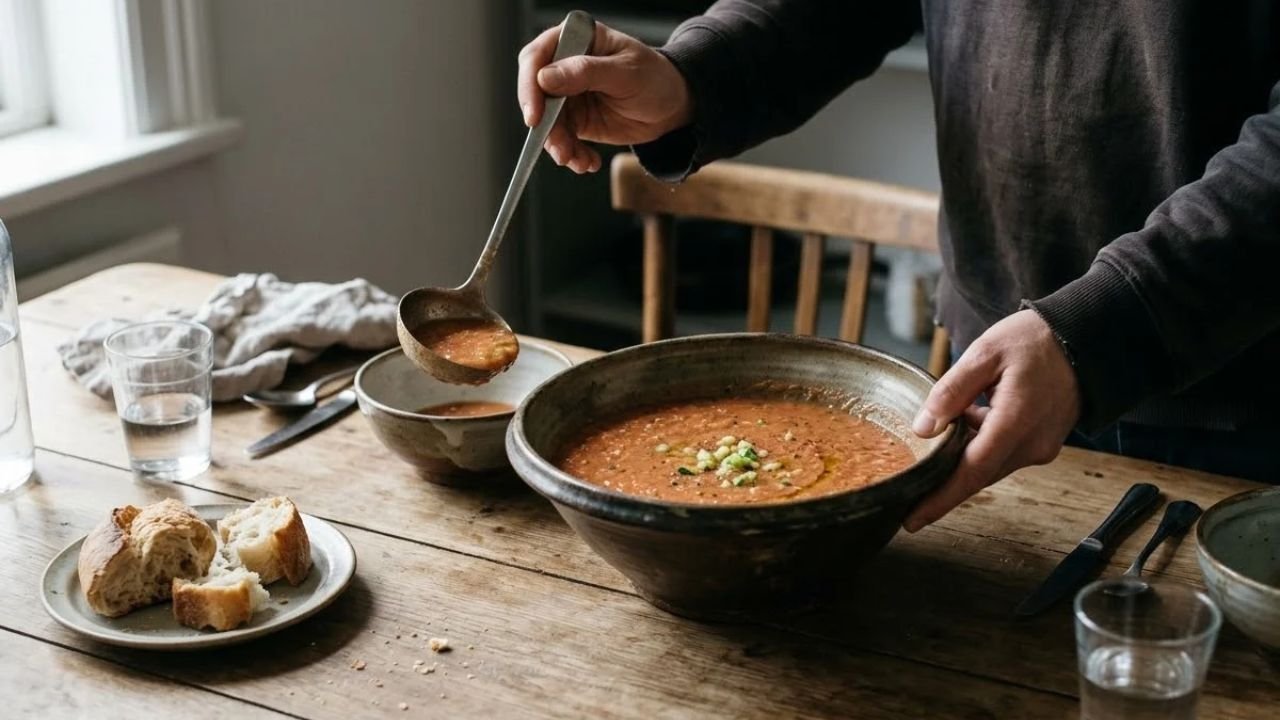
The gazpachera is closely associated with gazpacho, a dish that has become one of the most recognisable symbols of Andalusian cuisine. However, the vessel itself is not defined by one universal shape or design. Depending on the maker and the intended use, it may be a simple earthenware bowl or a decorated ceramic piece designed to bring the dish to the table.
Its appeal comes partly from its practicality. A broad serving bowl makes the contents easy to see and serve, while a substantial ceramic form gives the table a different character from one set with lightweight plastic or stainless-steel containers.
The gazpachera also reflects a familiar feature of traditional food cultures: the close relationship between a dish and the objects used to present it. Over generations, particular vessels become associated with certain foods, meals and occasions. That association can continue even when modern kitchens offer plenty of alternatives.
The Connection Between Gazpacho and Andalusia
Gazpacho’s history reaches further back than the tomato-based version most people recognise today. Earlier forms of the dish belonged to a broader tradition of simple preparations associated with rural life in southern Spain. The ingredients and techniques changed over time, particularly as tomatoes and peppers from the Americas became established in European cooking.
As gazpacho developed into a familiar regional dish, its place in everyday meals helped sustain the objects associated with serving it. The gazpachera became part of this wider culinary setting, although it would be misleading to suggest that every Spanish household used the same vessel or followed one fixed tradition.
Andalusia itself has diverse local customs, and the appearance of traditional tableware varies accordingly. The gazpachera should therefore be understood as part of a broader regional culture rather than as a single object that represents every Spanish kitchen.
The Craft Behind the Ceramic Surface
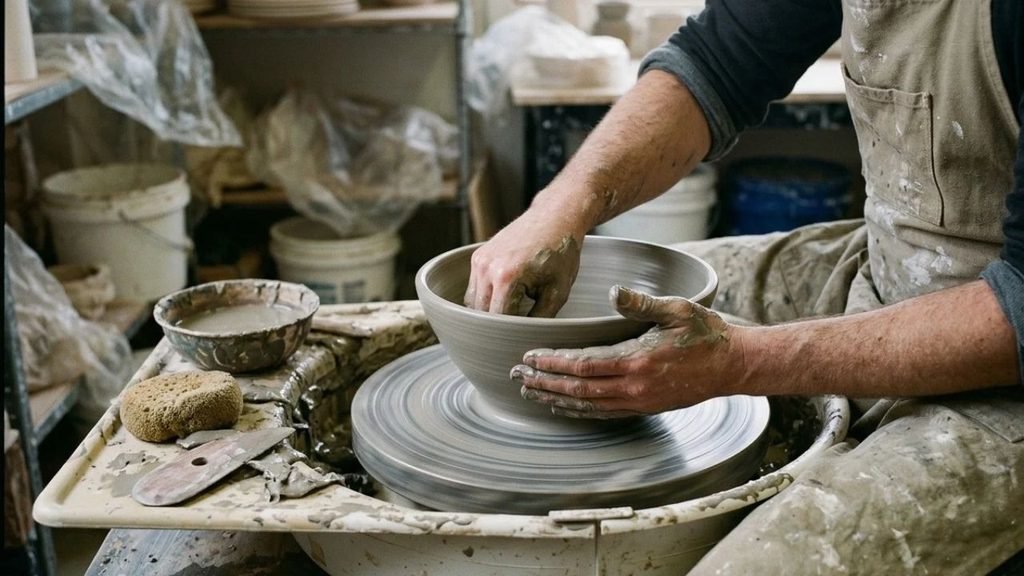
Ceramics have a long-standing place in Spanish domestic life, and Andalusia has several established pottery traditions. One notable centre is La Rambla, in Córdoba, where pottery production includes bowls and vessels associated with traditional household uses. The town’s continuing relationship with clay is illustrated by this account of La Rambla’s pottery-making tradition, which describes the stages involved in shaping, firing and decorating ceramic pieces.
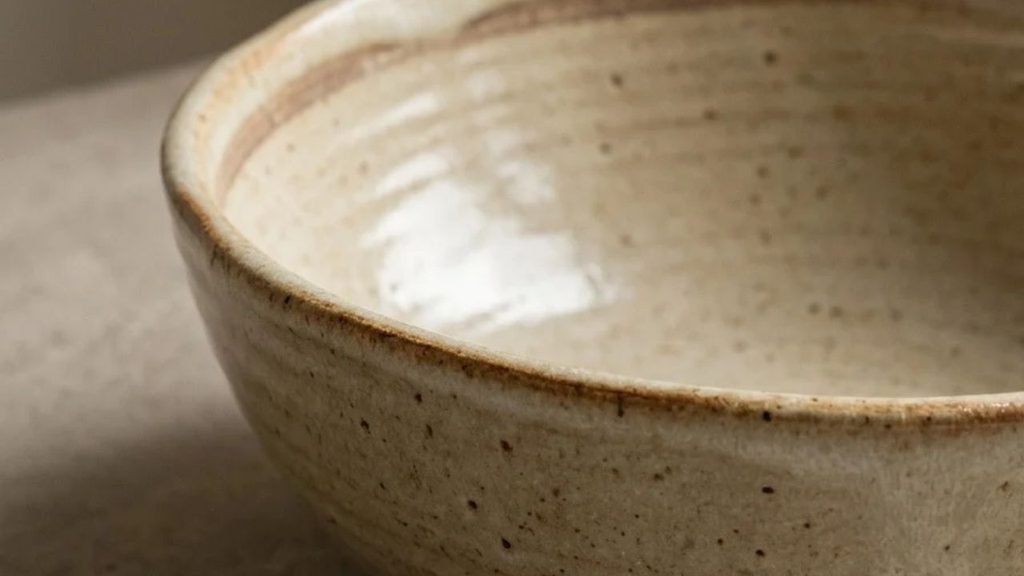
A gazpachera may be plain or decorated, depending on its maker. Some examples feature painted borders, floral patterns or coloured glazes, while others rely on the natural appearance of the clay and a simpler finish. These differences give the vessel its visual character without changing its basic purpose.
The practical details matter, too. The weight of a bowl affects how comfortably it can be carried when full, while its rim and depth influence how easily food can be served. Glaze and surface finish affect cleaning and maintenance. These are ordinary design decisions, but they help explain why one vessel may suit daily use better than another.
Not every gazpachera is handmade, and traditional-looking decoration does not automatically establish a piece’s age or origin. Anyone interested in buying an authentic regional example should look at the maker, the place of production and the information provided about its materials rather than relying on appearance alone.
From Traditional Households to Modern Tables
The modern kitchen has changed the way people prepare, store and serve food. Contemporary appliances make preparation easier, while glass bowls, stainless-steel containers and other serving pieces offer practical alternatives to traditional pottery.
The gazpachera has not lost its usefulness simply because these alternatives exist. It can still serve gazpacho, but its broad shape also makes it suitable for salads, fruit and other dishes. This versatility gives it a place in contemporary homes without requiring the household to follow a particular historical style.
For some people, the attraction lies in the ceramic finish or regional decoration. For others, it is the connection to Spanish food traditions. Both are reasonable reasons to choose one, provided the vessel meets the needs of the household.
It is also worth separating an object’s decorative appeal from its practical qualities. A beautiful ceramic bowl may be too heavy for frequent handling or require more careful cleaning than expected. Before purchasing one, check whether it is intended for food contact, whether its glaze is suitable for regular use and which cleaning instructions the maker recommends.
Choosing a Gazpachera for Everyday Use
A traditional gazpachera can be a useful addition to a kitchen, but the right choice depends on how it will be used.
- Size and capacity: Choose a bowl that suits the number of people you usually serve. A large vessel can be convenient for gatherings but may take up unnecessary storage space in a smaller kitchen.
- Weight and handling: Ceramic bowls can be heavier than glass or metal alternatives. Consider how comfortable the bowl will be to lift when full.
- Finish and decoration: A plain finish may suit everyday use, while a painted design can make the vessel a more prominent part of the table setting.
- Cleaning requirements: Check whether the maker recommends handwashing or permits dishwasher use. Decorative finishes may require additional care.
- Provenance: If regional craftsmanship matters to you, look for clear information about where the bowl was made and by whom.
There is no single choice that suits every household. A vessel used regularly needs to be practical first, while a piece intended mainly for occasional gatherings may justify a different balance between function and appearance.
Common Misunderstandings About the Gazpachera
The gazpachera is the name of a particular recipe. The term is associated with the vessel used for serving gazpacho, although its precise meaning can depend on regional usage and context.
Every gazpachera is an antique. Many examples are made today. A traditional design does not necessarily mean that a piece is old or historically significant.
All Spanish ceramic bowls are gazpacheras. Spanish pottery includes many forms with different names and purposes. A lebrillo, for example, has a broader range of uses and should not automatically be treated as identical to a gazpachera.
The vessel is useful only for gazpacho. It can also be used for other foods, provided its materials and finish are appropriate for the intended use.
Traditional pottery is always more practical than modern tableware. Ceramic can offer character and durability, but weight, maintenance and storage requirements vary from piece to piece.
FAQ’s
1. What is a gazpachera?
A gazpachera is a vessel associated with serving gazpacho, often a ceramic bowl connected to traditional Spanish tableware.
2. What is the difference between a gazpachera and a lebrillo?
The terms can overlap in some contexts, but a lebrillo is a broader category of bowl traditionally used for various domestic purposes. The exact distinction depends on regional terminology and the object being described.
3. Where is the gazpachera associated with?
It is particularly associated with the culinary traditions of Andalusia in southern Spain, where gazpacho is a familiar part of regional food culture.
4. Are gazpacheras still made today?
Yes. Contemporary ceramic makers continue to produce vessels sold as gazpacheras, including examples associated with Andalusian pottery traditions.
5. Can a gazpachera be used for other dishes?
Yes. Depending on its size, shape and finish, it can be used for salads, fruit and other foods. Always follow the maker’s guidance on food safety and care.
6. What should I look for when buying one?
Consider capacity, weight, glaze, cleaning requirements and the intended use. If you want a piece made in a particular Spanish pottery tradition, check its provenance rather than assuming that its appearance confirms its origin.
A Small Object with a Wider Story
The gazpachera shows how an everyday serving vessel can become connected to a particular dish, region and way of life. Its importance does not depend on being rare or indispensable. Instead, it comes from the relationship between Spanish culinary traditions, ceramic craftsmanship and the routines of the table.
As kitchens continue to change, the vessel can adapt to new settings and uses. It may remain closely associated with gazpacho, or become an everyday bowl for other foods. Either way, its story offers a useful reminder that culinary culture is carried not only through recipes. But also through the ordinary objects people choose to keep using.