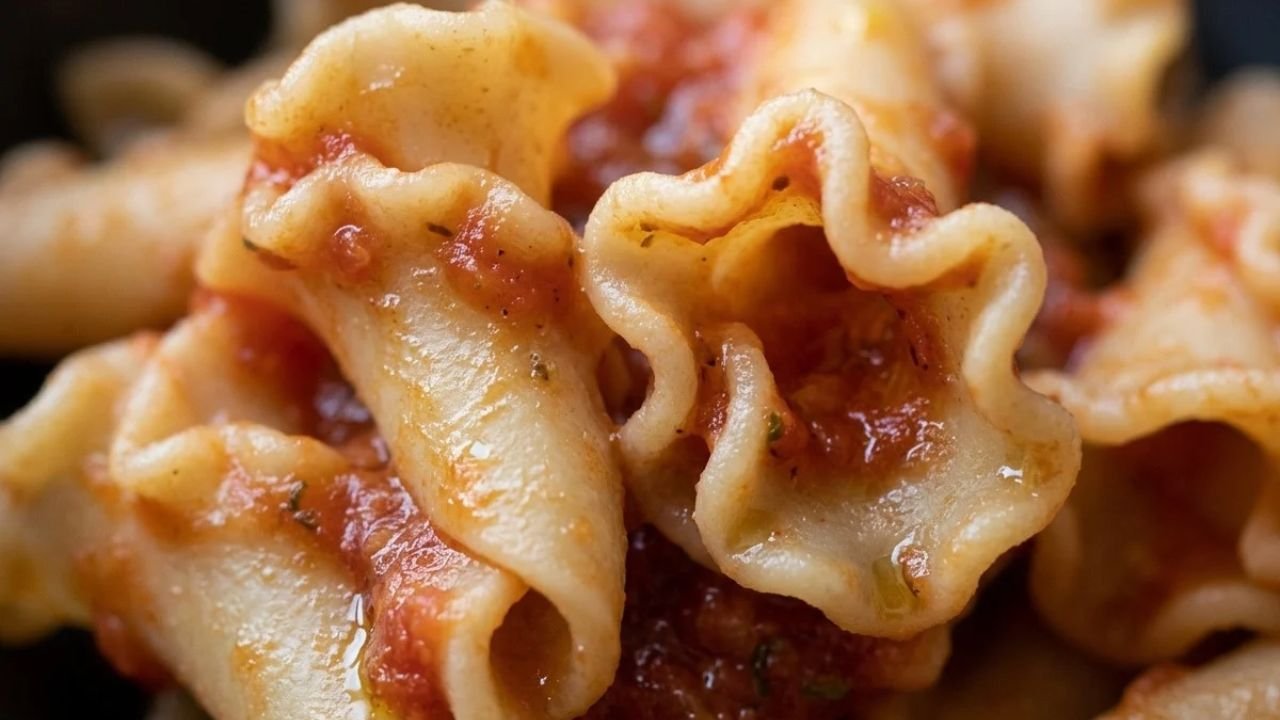
Campanelle is a pasta shape known for its flared, flower-like edges and small hollow centre. Its name comes from the Italian word for “little bells,” although its ruffled shape often resembles a tiny flower. These folds give it a character that differs from smooth pasta, making it a natural choice for dishes where sauce and small pieces of other ingredients are meant to come together in every forkful.
Choosing a sauce for campanelle can be tricky when some leave the pasta watery and others feel too heavy. This guide covers the best options for a well-balanced bowl.
A Quick Look at Preparation and Cooking Time
The timing below is an estimate for a campanelle dish with a simple homemade sauce. Your actual time will depend on the sauce you choose, the pasta brand and how quickly you work in the kitchen.
| Stage | Estimated time |
| Preparation | 10 minutes |
| Pasta cooking | 10–12 minutes |
| Sauce preparation | 10–15 minutes |
| Final mixing | 1–2 minutes |
| Total time | 20–30 minutes |
| Servings | 2–3 people |
These times are a guide, not a fixed promise. A slow-simmered meat sauce will take longer, while a simple lemon-butter sauce can be ready much sooner. Check the pasta packet for its recommended cooking time and taste it as it cooks.
The Ingredients Behind a Good Campanelle Sauce
The following ingredients make a versatile tomato-based campanelle dish. The quantities serve approximately two to three people and can be adjusted to suit your appetite and preferred flavour.
| Ingredient | Quantity |
| Campanelle pasta | 250 g |
| Olive oil | 2 tablespoons |
| Garlic, finely chopped | 2 cloves |
| Crushed tomatoes | 300 g |
| Tomato paste | 1 tablespoon |
| Salt | To taste |
| Black pepper | To taste |
| Dried oregano | ½ teaspoon |
| Fresh basil | A small handful |
| Parmesan cheese, grated | 2–3 tablespoons |
| Pasta cooking water | ¼ cup, as needed |
Ingredient alternatives worth knowing
Some ingredients are easy to replace if your kitchen is missing one or two items. The following alternatives will change the flavour slightly, but they can still work well. When substituting fresh herbs with dried ones, remember that drying concentrates their flavour, so you will generally need a smaller amount. The University of Illinois Extension explains the differences between fresh and dried herbs and how to adjust quantities.
| Original ingredient | Possible replacement | What changes |
| Crushed tomatoes | Chopped fresh tomatoes | The sauce may be less concentrated and need more time to reduce. |
| Fresh basil | Dried basil | The flavour will be less fresh and aromatic. Use a smaller amount. |
| Parmesan | Grana Padano or another hard, savoury cheese | The saltiness and intensity may vary. |
| Olive oil | Another neutral cooking oil | The sauce will lose some of olive oil’s characteristic flavour. |
| Dried oregano | Dried Italian herb seasoning | The flavour may become more complex, depending on the blend. |
Bringing the Sauce and Pasta Together
This tomato sauce is a useful starting point because its acidity complements the pasta, while its consistency can be adjusted to suit the folds of campanelle. The same principle applies to the other sauces below: aim for a coating that clings to the pasta without becoming heavy or watery.
Directions
1. Cook the campanelle. Bring a pot of salted water to a boil and cook the pasta according to the packet instructions. Taste it near the end of the recommended time, then reserve a little cooking water before draining.
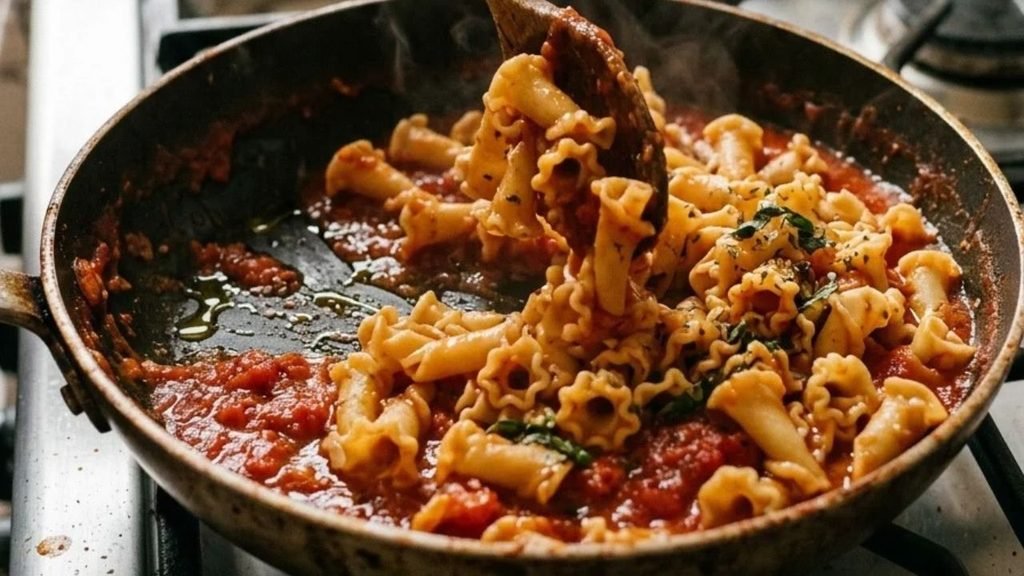
2. Start the tomato sauce. Warm the olive oil in a pan over medium-low heat. Add the garlic and cook briefly until fragrant, taking care not to let it burn.
3. Build the flavour. Stir in the tomato paste, followed by the crushed tomatoes, oregano, salt and black pepper. Let the sauce simmer until it thickens slightly and the flavours come together. The time needed will depend on the tomatoes and the heat.
4. Combine the pasta and sauce. Add the drained campanelle to the pan and toss gently. Pour in a little reserved pasta water if the sauce seems too thick, adding only enough to help it coat the pasta.
5. Finish and serve. Remove the pan from the heat, stir in the basil and finish with grated Parmesan. Taste once more before serving and adjust the seasoning if necessary.
Seven Sauces That Suit Campanelle Beyond Tomato
Tomato is a dependable starting point, but the shape of campanelle works with several different styles of sauce. Each offers a different balance of richness, freshness and texture.
1. Creamy Parmesan for a Richer Bowl
A Parmesan cream sauce gives campanelle a smooth coating and collects neatly around its folds. It works particularly well with mushrooms, peas or cooked chicken. Keep the heat gentle when adding the cheese, as excessive heat can make the sauce grainy.
2. Basil Pesto for Fresh, Herby Flavour
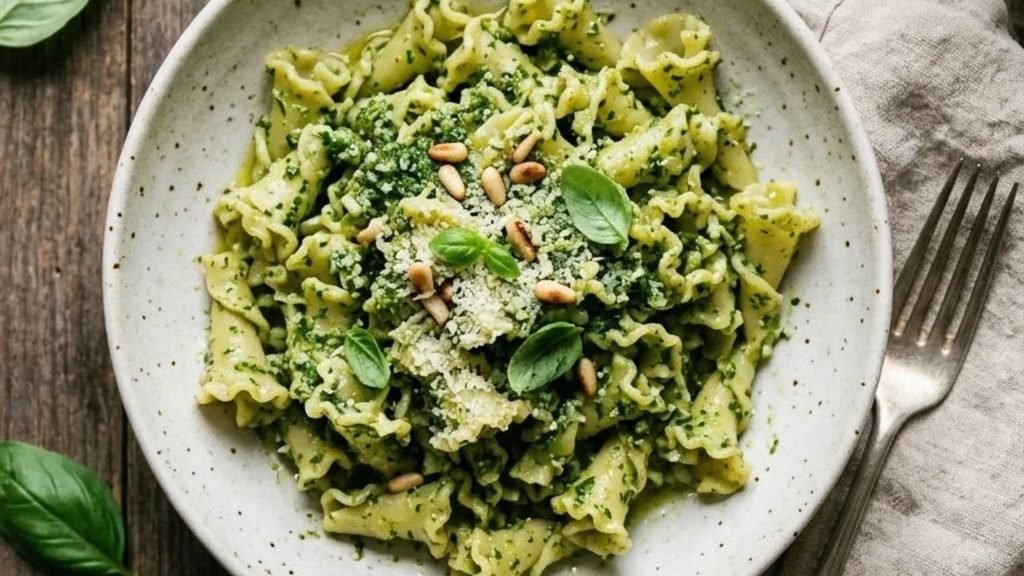
Pesto brings together basil, cheese, nuts and olive oil in a sauce with plenty of character. Campanelle’s uneven surface helps distribute its texture throughout the dish. Toss the pesto with the cooked pasta away from direct heat and loosen it with a little pasta water.
3. Roasted Red Pepper for Gentle Sweetness
Roasted red pepper sauce is a good alternative when tomato tastes too sharp or cream feels too heavy. Blended peppers provide body, while garlic and black pepper add depth. A little lemon juice can balance their natural sweetness.
4. Mushroom and Garlic for Savoury Depth
Browned mushrooms provide a concentrated, savoury flavour that works with or without cream. The important distinction is between browning and steaming: mushrooms need enough room in the pan to develop colour rather than release moisture into a crowded skillet.
5. Sausage Ragù for a Hearty Meal
A tomato-based sausage ragù gives the pasta something substantial to carry. Small pieces of sausage settle between the folds, while the sauce brings everything together. This is a good choice when you want a more filling dinner rather than a light pasta dish.
Serving Ideas That Complete the Dish
Campanelle does not need elaborate garnishes, but a few thoughtful additions can improve the balance of the finished meal.
- For tomato sauce: Add fresh basil and a little Parmesan just before serving.
- For creamy sauces: Use cracked black pepper and a modest amount of grated hard cheese.
- For pesto: Try toasted pine nuts or chopped tomatoes for extra texture.
- For mushroom sauce: Finish with thyme or parsley and a small squeeze of lemon.
- For lemon-butter sauce: Add finely grated lemon zest and serve with asparagus or peas.
- For sausage ragù: Pair it with a simple green salad to balance the richness.
Serve the pasta while the sauce is still warm and cohesive. If the dish sits for a while, the pasta may absorb some of the liquid, so a sauce that looks slightly loose in the pan can be preferable to one that is already thick and dry.
Common Mistakes That Change the Final Result
Choosing a sauce that is too thin. Watery sauces tend to run off the pasta and collect at the bottom of the plate. Allow them to reduce before combining them with the campanelle.
Using too much sauce. More is not always better. Add enough to coat the pasta, then increase the quantity only if the dish needs it.
Overcooking the pasta. Campanelle should retain some firmness. Check it near the end of the packet’s suggested cooking time, since cooking times vary by brand.
Adding cheese over excessive heat. Parmesan and other hard cheeses can turn grainy if heated too aggressively. Lower the heat before incorporating them into a sauce.
Skipping the reserved pasta water. A small amount can help bring the sauce together. Add it gradually rather than pouring it all in at once.
Forgetting to taste before serving. Tomatoes, cheese, stock and sausage all contribute different amounts of salt. Season in stages and make the final adjustment after combining the pasta and sauce.
FAQ’s
1. Which sauce works best with campanelle?
Tomato, pesto, Parmesan cream and mushroom sauces are all good options. The best choice depends on whether you want something bright, herbaceous, creamy or deeply savoury.
2. Can campanelle be used with pesto?
Yes. Its folds and hollow centre work well with pesto’s textured mixture of herbs, oil, cheese and nuts. Toss the pasta with the pesto off the heat for a fresher flavour.
3. Is campanelle suitable for a creamy sauce?
Yes. Its shape works well with sauces made from cream and hard cheese. Keep the sauce fluid enough to coat the pasta rather than collecting in heavy clumps.
4. How much sauce should I use for 250 g of campanelle?
Start with enough sauce to coat the cooked pasta evenly, then adjust as needed. The amount depends on the sauce’s thickness and how much liquid the pasta absorbs.
5. Can I use store-bought sauce?
Yes. A prepared tomato sauce, pesto or creamy sauce can work well. Check its seasoning before adding extra salt or cheese, and adjust the consistency if it seems too thick or too watery.
A Better Way to Choose Your Next Campanelle Sauce
The appeal of campanelle lies in the way its shape brings pasta and sauce together. Tomato offers a familiar balance of acidity and sweetness, pesto adds herbal freshness, mushrooms bring savoury depth, and creamy sauces create a fuller, softer finish. Start with the kind of meal you want, then choose a sauce with the right texture and intensity to support it. A few small adjustments can make a familiar pasta shape feel entirely different at the table.