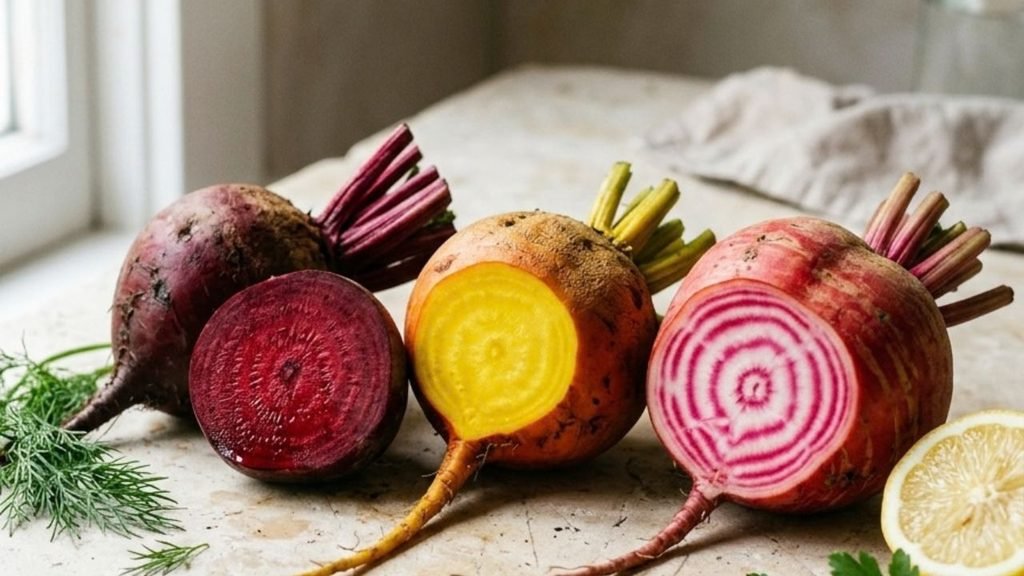
Beets, also known as beetroot, are familiar to most people for their deep color, earthy flavor, and natural sweetness. Red beets are the most common, but golden and striped varieties offer something different. The root has been enjoyed for centuries, while its leafy tops have also found their place in everyday cooking.
Finding new ways to cook beets can be difficult when the same salad keeps coming to mind. This guide brings together simple ideas to make beetroot more useful in everyday meals.
A quick look at the timing
| Part | Approx. time |
| Preparation | 10–15 minutes |
| Cooking | 30–50 minutes |
| Total | 40–65 minutes |
These times are general guides rather than fixed rules. Your actual prep or cooking time can change depending on the size of the beets, your equipment, and how quickly you work.
What you’ll need
The exact ingredients change from recipe to recipe, but these are the useful basics to keep around when working through beet recipes
- Fresh beets or beetroot
- Olive oil
- Salt and black pepper
- Lemon juice or vinegar
- Garlic
- Fresh herbs such as parsley, dill or mint
- Plain yogurt or labneh
- Feta or goat cheese
- Chickpeas or lentils
- Nuts or seeds
- Onions
- Citrus such as orange or lemon
- Bread, grains or flatbread
- Cumin, coriander or chili
Easy swaps for less familiar ingredients
| Ingredient | Easy replacement |
| Goat cheese | Feta or soft cream cheese |
| Labneh | Thick Greek-style yogurt |
| Farro | Bulgur, barley or brown rice |
| Tahini | Nut or seed butter |
| Fresh dill | Parsley or mint |
| Arugula | Spinach or another peppery green |
| Feta | Crumbled soft cheese |
| Balsamic vinegar | Red wine vinegar or lemon juice |
25 beet ideas when the usual salad gets boring
1. Lemon Herb Roasted Beets
Roasted beets become softer and sweeter, so keep the finish fresh with lemon, parsley, dill, salt, and a little olive oil.
2. Beetroot and Feta Salad
Combine cooked beetroot with feta, toasted walnuts, fresh herbs, and greens. The salty cheese and crunchy walnuts give the soft beets some much-needed contrast.
3. Beet and Orange Salad
Pair sliced cooked beets with orange segments, mint, and a citrus dressing. This is especially good when you want something fresh rather than heavy.
4. Beet Hummus
Blend cooked beetroot with chickpeas, tahini, lemon, garlic, and olive oil. The beet adds color and mild sweetness without needing to dominate the hummus.
5. Beet Yogurt Dip
Mix grated cooked beetroot with thick yogurt, garlic, lemon, salt, and cumin. Serve it as a dip, side dish, or spread.
6. Beetroot with Whipped Goat Cheese
Spread whipped goat cheese onto a plate and arrange warm beet wedges over it. Add herbs and toasted pistachios for a simple but substantial starter.
7. Beet and Lentil Bowl
Combine roasted beetroot with cooked lentils, cucumber, herbs, seeds, and a lemon-mustard dressing. It works particularly well as a filling lunch.
8. Beet Grain Bowl
Start with bulgur, barley, farro, or rice, then add beets, chickpeas, cucumber, herbs, and tahini sauce. Add a fried egg if you want more protein.
9. Beet and Goat Cheese Tart
Use puff pastry with thin beet slices, goat cheese, thyme, and a small amount of honey. The pastry provides the crisp texture that cooked beetroot lacks.
10. Crispy Beet Fritters
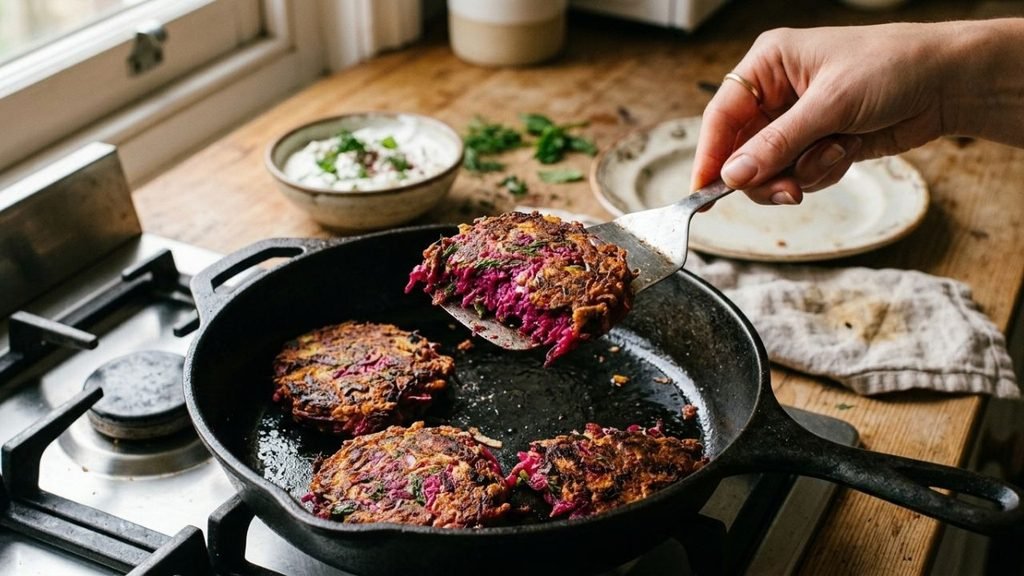
Grated beetroot can be turned into small pan-fried fritters with egg, breadcrumbs, herbs, and seasoning. Serve them with yogurt or a sharp dipping sauce.
11. Beet and Potato Rösti
Mix grated beetroot with potato and cook it as a thin, crisp cake. Potato gives the mixture structure while beetroot provides its characteristic color and sweetness.
12. Beet Falafel
Add finely grated beetroot to a falafel mixture and shape into small patties or balls. Serve with tahini, herbs, cucumber, and pickled vegetables.
13. Simple Beet Soup
Cook beetroot with onion and stock until tender, then blend until smooth. A little lemon or yogurt at the end keeps the flavor from becoming too sweet.
14. Beet and Apple Soup
Beetroot and tart apple make a surprisingly balanced combination. The apple brings brightness while keeping the beet’s earthy character noticeable.
15. Beetroot-Inspired Borscht
Build a hearty soup around beetroot, cabbage, onion, carrot, and beans or meat. There are many regional versions of borscht, so there is no need to treat one formula as the only correct one.
16. Beet Pasta
Beet puree can be incorporated into fresh pasta dough or used in a filling. Pair the natural sweetness with salty cheese, herbs, or a bright lemon-based sauce.
17. Beet Gnocchi
Fold beet puree into potato gnocchi for a colorful variation. Browned butter and sage work well, as does goat cheese with lemon.
18. Beet Risotto
Add grated or finely diced beetroot while making risotto, then finish with Parmesan and lemon zest. The cheese adds depth while the citrus keeps the dish from becoming too rich.
19. Beet and Chickpea Curry
Use cooked beetroot with chickpeas, onion, ginger, garlic, cumin, coriander, and chili. Tomato, lemon, or tamarind can provide the acidity the dish needs.
20. Roasted Beet Tacos
Fill warm tortillas with roasted beetroot, black beans, cabbage, avocado, lime, and chili sauce. The different textures make the beet feel like the center of a meal rather than a side.
21. Beet and Feta Flatbread
Top flatbread with yogurt or soft cheese, roasted beet slices, feta, herbs, and seasoning. Bake until the edges become crisp.
22. Quick-Pickled Beets
Thinly sliced cooked beetroot takes well to a simple vinegar-based pickle. Add dill, mustard seeds, peppercorns, or other spices depending on the flavor you want.
23. Beetroot Raita
Mix grated cooked beetroot with yogurt, cucumber, mint, cumin, and salt. It is particularly useful alongside spicy food because its cool, fresh character balances stronger dishes.
24. Beet and Egg Skillet
Use cooked beetroot with tomato, onion, and spices as a base, then add eggs and cook until set. It turns beetroot into the main part of a meal rather than an afterthought.
25. Beet Toast with Labneh
Spread labneh over toasted bread and top with thin beet slices, pumpkin seeds, herbs, and lemon. It is one of the easiest ways to turn leftover cooked beets into lunch.
The little details that make these recipes work
Beets are naturally sweet, so they rarely need another sweet ingredient piled on top. What they benefit from is contrast. Lemon, vinegar, yogurt, pickled vegetables, salty cheese, fresh herbs, and crunchy seeds all give the beetroot somewhere to go.
Texture matters just as much. Cooked beets are soft, which is why something crisp beside them can make an otherwise simple dish feel much more complete.
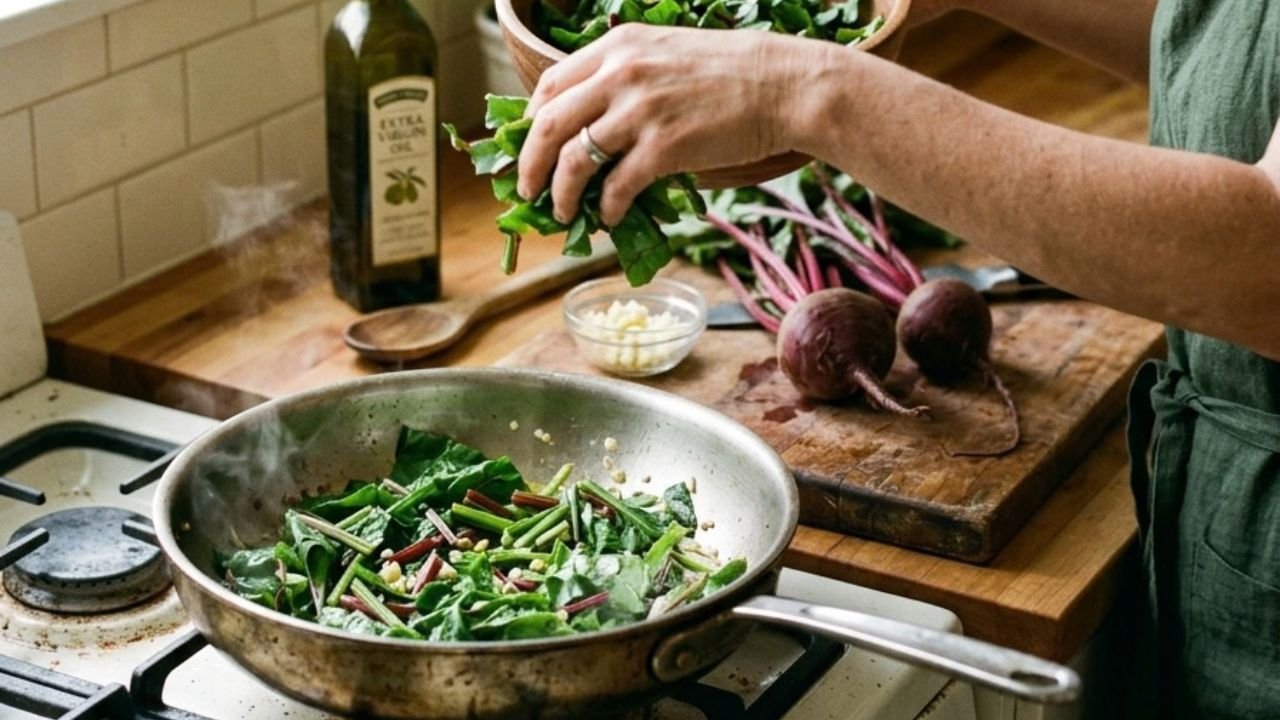
And don’t forget the beet greens. If you buy beets with their tops attached, the leaves can be treated much like other sturdy cooking greens. Using them also means the vegetable doesn’t have to stop at the root.
Common mistakes to avoid
- Using too much beetroot: A large quantity can overpower a dish. Sometimes a smaller amount gives better balance.
- Skipping acidity: Lemon or vinegar can make a surprisingly large difference.
- Leaving everything soft: Add nuts, seeds, toasted bread, cucumber, cabbage, or another crisp element.
- Under-seasoning the beets: Season the beetroot itself rather than relying entirely on the final dressing.
- Cutting cooked beets too early: Let them cool enough to handle comfortably so they hold their shape.
- Adding too many sweet ingredients: Beetroot already brings sweetness, so balance it instead of emphasizing it.
FAQ’s
1. Can I eat beets raw?
Yes. Young, fresh beets can be grated or thinly sliced and used in salads and slaws. Raw beetroot is firmer and more earthy than cooked beetroot. If you are preparing it raw, it is worth following the same basic produce-handling practices used for other fresh vegetables, including washing produce thoroughly under running water before cutting or eating it. For more guidance, see the FDA’s Selecting and Serving Produce Safely.
2. Are red and golden beets interchangeable?
Usually, yes. Golden beets tend to have a milder visual presence and can work in most of the same dishes.
3. Do I need to peel beets before cooking?
Not necessarily. Many people cook them with the skin on and remove the skin afterward. This can also make preparation less messy.
4. Why do beets turn everything pink?
Their strong natural pigments transfer easily to hands, cutting boards, yogurt, grains, and other foods. That color is part of their appeal, but it is worth keeping a separate cutting board or washable work surface nearby.
5. Can cooked beets be frozen?
Cooked beets can generally be frozen, although their texture may become somewhat softer after thawing. They are often better suited to soups, dips, and blended preparations afterward.
A better way to think about beet recipes
Beetroot is useful far beyond salads, adding color, sweetness, and texture to everyday dishes. From dips and soups to toast and fritters, this vegetable offers plenty of possibilities.
Keeping a few cooked beets in the refrigerator can make everyday meals easier. You can turn them into different dishes depending on what you have, from yogurt and herbs to lentils, grains, citrus, or feta.
The beet may be the starting point, but the contrast around it is what makes the dish worth remembering.