Dorado is commonly used for mahi mahi, a fast-swimming ocean fish also called dolphinfish. Its scientific name is Coryphaena hippurus. Despite the nickname, it has nothing to do with dolphins. The name dorado is common in Spanish-speaking regions, while mahi mahi is widely used in seafood markets and restaurants.
The problem is that dorado can be confusing when you’re buying or ordering it. From knowing what fish you’re actually getting to spotting a good piece, this article clears up the details that matter.
1. The Name Tells You Less Than You Think
The first thing worth clearing up is the name itself. When you see dorado on a seafood menu or at a fish counter, it will usually mean mahi mahi. You may also see mahi-mahi or dolphinfish used instead. These names can make the fish seem like several different varieties when they are commonly referring to the same species.
There is one reason to pause, though: “dorado” is not universally tied to one fish in every context. In some places, the name can refer to freshwater fish that are entirely unrelated to mahi mahi.
So if the identity of the fish matters, don’t rely on the name alone. Look for the scientific name or simply confirm that the dorado being sold is mahi mahi.
That small distinction becomes particularly useful when shopping somewhere where local fish names overlap.
2. Its Appearance Is Almost the Opposite of Its Fillet
A whole dorado is hard to mistake. Alive, it can show intense metallic blues and greens across its back, with yellow and gold along the body. The colors can look almost too vivid to belong to an ordinary food fish.
Then it reaches the fish counter and becomes something much quieter.
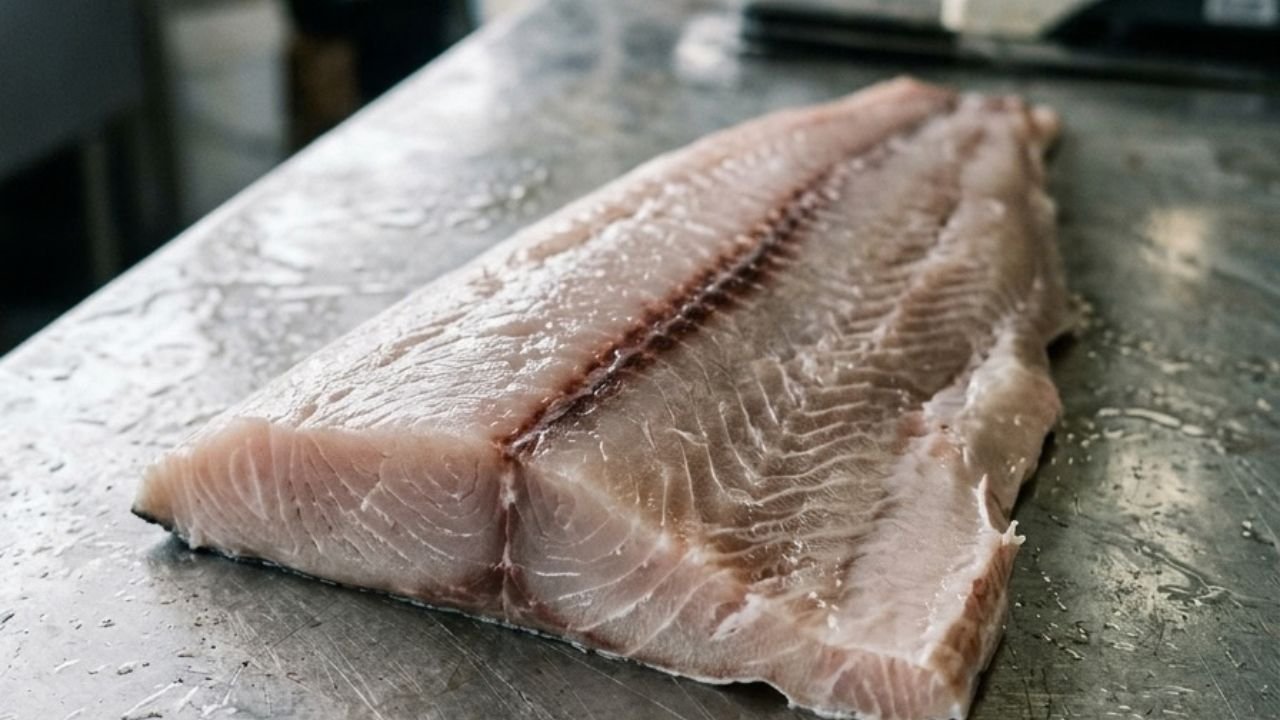
The flesh is generally pale, with a firm appearance and relatively large flakes. That difference between the living fish and the portion on ice is worth knowing because someone encountering dorado only as a fillet might never connect it with the brilliantly colored animal.
There is also a practical lesson here: don’t expect the raw fillet to reproduce the dramatic colors associated with the whole fish.
The visual identity belongs largely to the living fish, not the portion you eventually see on a plate.
3. Firm Flesh Is Part of the Appeal
Dorado occupies an interesting middle ground among commonly eaten fish. It isn’t as delicate as fish that easily break apart, but it also doesn’t have the dense, heavy character associated with some meatier species. Its flesh is usually described as firm, moist and flaky, with a mild, slightly sweet flavor.
That texture explains why the fish appears in so many different kinds of seafood dishes.
More importantly, it gives you something useful to look for when buying it. A good fillet should look intact rather than mushy or collapsing at the edges. The flesh should have structure rather than appearing soft and waterlogged.
This is one of those cases where texture tells you something the label cannot.
The word “dorado” identifies the fish. The condition of the flesh tells you more about the particular piece in front of you.
4. Freshness Has Clues That Are Easy to Miss
People often concentrate on color when looking at seafood, but color isn’t necessarily the most useful clue. With a dorado fillet, pay closer attention to its surface and texture. The flesh should look moist without appearing excessively wet, and it should remain firm rather than soft or deteriorated. The smell should be clean and mild rather than sharply sour, strongly fishy or chemical.
If you’re looking at a whole fish, the eyes, skin and firmness give you additional things to examine. The FDA’s guidance on selecting fresh and frozen seafood covers these kinds of visual, textural and odor clues in more detail.
The important point is not to search for one magical sign of freshness. Look at several small signs together.
A brightly colored display doesn’t guarantee a better fish, just as a less dramatic-looking fillet isn’t automatically inferior.
5. “Fresh” and “Never Frozen” Aren’t the Same Conversation
This is one of the more confusing parts of buying seafood. Freshness is often treated as a simple competition between fresh and frozen. In reality, the condition of the fish depends heavily on how it was handled.
A properly frozen piece of dorado can be a sensible purchase, particularly when it has been packaged well and kept consistently frozen. Problems are more likely when seafood has been poorly stored, allowed to partially thaw, or repeatedly exposed to temperature changes.
Those answers give you much more information about what you’re buying.
If you’re choosing between two pieces, don’t automatically assume the one described as fresh has had the better journey from ocean to counter.
6. The Darker Strip Doesn’t Mean Something Went Wrong
Look closely at a dorado fillet and you may notice a darker line or section running through the flesh. For someone unfamiliar with the fish, it can look suspicious. It isn’t necessarily a sign that the fish has spoiled.
This darker area is associated with the fish’s lateral-line muscle and can have a stronger flavor than the lighter flesh around it. Some people prefer to leave it intact, others prefer a milder taste and remove it.
The useful part is knowing what you’re looking at.
Not every difference in color means deterioration.
Seafood has natural variations in muscle, fat and pigmentation, and learning to recognize those differences makes it easier to judge the actual condition of a fish instead of reacting to one unusual-looking patch.
7. The Source Can Change the Story
Dorado isn’t simply “one fish from one place.” Mahi mahi live in warm and temperate ocean waters and are caught in different fisheries around the world. That means the fish on a plate can have a very different journey depending on where it came from and how it entered the seafood supply.
If you’re concerned about sourcing, the most useful information is specific: country or region of origin and, where available, the type of fishery or catch method.
This is more meaningful than assuming every dorado has the same environmental story.
The same principle applies when eating at a restaurant. A menu that gives the fish’s origin is telling you something that the single word “dorado” cannot.

What Actually Matters When Buying Dorado
Once the terminology is clear, buying becomes much easier. Look at the fish rather than letting the name do all the work. A good piece should have firm, intact flesh, a clean smell and no obvious signs of deterioration. If it is packaged, check that the packaging is in good condition and that the fish has been kept properly cold.
Then ask about the details that aren’t visible:
- Is it mahi mahi?
- Where did it come from?
- Was it previously frozen?
- When did it arrive?
- Is the darker section part of the natural muscle?
You don’t need to interrogate the fishmonger. One or two specific questions are usually enough to turn a vague purchase into an informed one.
A Small Distinction That Makes Dorado Easier to Understand
The biggest mistake with dorado is assuming the name is the whole story. It isn’t. The name tells you what fish you’re probably dealing with. Its appearance tells you something about the animal. its flesh tells you about texture. Its smell and firmness help you judge the condition. lts origin tells you something about its journey.
Put those pieces together and the fish becomes much easier to understand.
That is also why dorado can be a confusing purchase for someone encountering it for the first time. The fish has an unusually memorable identity in the water, but a comparatively understated one once it reaches the counter. Knowing what changes along that journey makes it easier to judge what you’re actually seeing.
FAQ’s
1. Is dorado the same as mahi mahi?
Usually, yes. In seafood markets and restaurants, dorado commonly refers to mahi mahi, or dolphinfish (Coryphaena hippurus).
2. Why is it called a dolphinfish?
The name refers to the fish itself and does not mean it is related to dolphins. It is an unrelated species of ocean fish.
3. Is dorado a white fish?
Its cooked flesh is generally pale and flaky, although its exact appearance can vary by cut and preparation.
4. Does dorado have a strong fishy taste?
Dorado is generally considered mild, with a slightly sweet flavor. The darker muscle can have a stronger taste than the lighter flesh.
5. Can dorado be frozen?
Yes. Frozen dorado can be a perfectly practical option when it has been properly handled and stored.
A more natural, editorial heading would be
Dorado is easier to understand once you stop treating its name as the main piece of information. It is usually mahi mahi, a distinctive ocean fish whose brilliant appearance, firm pale flesh and mild flavor have made it familiar far beyond the waters where it is caught.
Before buying or ordering it, pay attention to the things the menu or label may leave out: what fish it actually is, how fresh it appears, whether it was frozen, and where it came from. Those small details are what turn dorado from a familiar name into a fish you can actually recognize and judge.