Peanut clusters are small, bite-sized sweets made by bringing peanuts together with a coating that holds them in place. Often called chocolate peanut clusters when chocolate is used, they are a familiar homemade confection found in holiday treat boxes, candy trays, and everyday dessert collections. Adding butterscotch chips gives this version a buttery, caramel-like sweetness that pairs naturally with the roasted flavour of peanuts.
The tricky part is getting the clusters to hold together without making them too sweet or leaving the coating thick and difficult to work with. A few simple choices can make the difference between neat, crunchy bites and clusters that crumble as soon as you pick them up.
Peanut Cluster Prep and Setting Time
| Details | Information |
| Prep time | 10 minutes |
| Cooking time | 5 minutes |
| Setting time | 30–60 minutes |
| Total time | Approximately 45–75 minutes |
| Yield | About 24 clusters |
| Difficulty | Easy |
| Cooking method | No-bake |
These times are estimates rather than fixed rules. Your preparation time depends on how quickly you measure and mix the ingredients, while melting time varies with your microwave or stovetop. The clusters may also need longer to set in a warm kitchen.
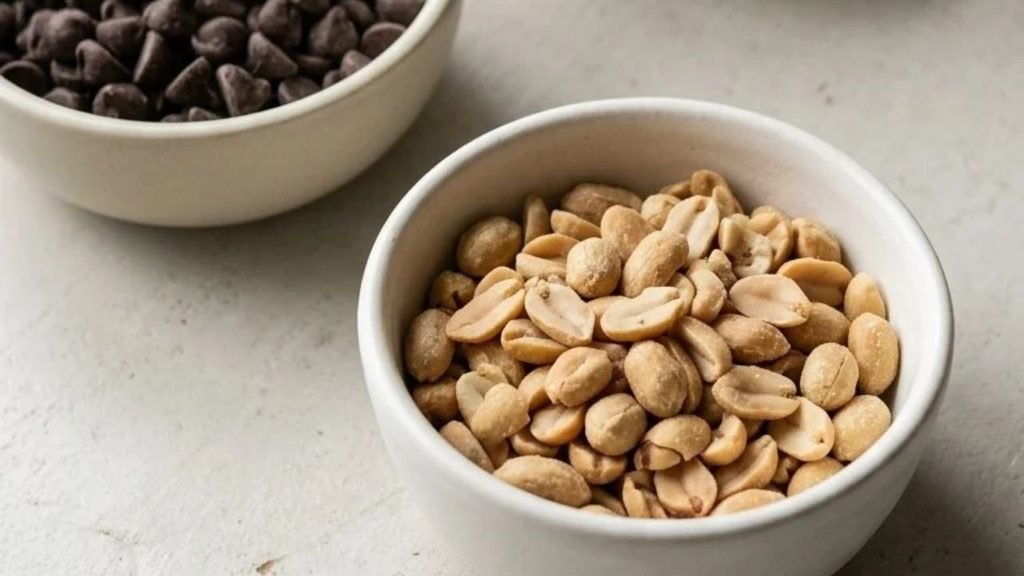
Ingredients for Crunchy, Buttery Peanut Clusters
- 1 cup butterscotch baking chips
- 1 cup semi-sweet chocolate chips
- 3 cups dry-roasted peanuts, salted or unsalted
- 1 teaspoon neutral vegetable oil, optional
The peanuts provide the crunch, butterscotch chips bring the buttery sweetness, and semi-sweet chocolate helps balance the flavour. The small amount of oil is useful only if the melted mixture is too thick to coat the peanuts evenly.
Ingredient swaps that still work
| Ingredient | Possible replacement | What to expect |
| Butterscotch chips | Peanut butter chips | A creamier, nuttier flavour with less caramel character |
| Semi-sweet chocolate chips | Dark chocolate chips | A less sweet, more pronounced chocolate flavour |
| Salted peanuts | Unsalted roasted peanuts | A milder finish; a small pinch of salt can restore the contrast |
| Dry-roasted peanuts | Roasted cashews | A buttery crunch with a softer, less distinctly peanut-like flavour |
| Neutral vegetable oil | Refined coconut oil | Can help loosen a thick coating, although the finished texture may differ |
Choose replacements based on the flavour you want rather than assuming every swap will produce exactly the same result. Different baking chips have different melting properties, so adjust the heating gently.
How to Make Peanut Clusters With Butterscotch Chips
The method is straightforward, but gentle melting and even coating are worth your attention. Prepare the tray before melting the chips so you can shape the clusters while the mixture is still easy to handle. If you want to understand why short heating intervals help prevent overheating, King Arthur Baking explains the process in its guide to how to melt chocolate.
Directions
1. Prepare the tray.
Line a baking sheet with parchment paper. Make sure it is large enough to hold all the clusters without their touching.
2. Melt the baking chips.
Place the butterscotch and semi-sweet chocolate chips in a microwave-safe bowl. Heat for 30 seconds, stir, and continue in 15–20-second intervals until mostly smooth. Stir between each interval and allow the residual heat to melt any remaining small pieces.
3. Add the peanuts.
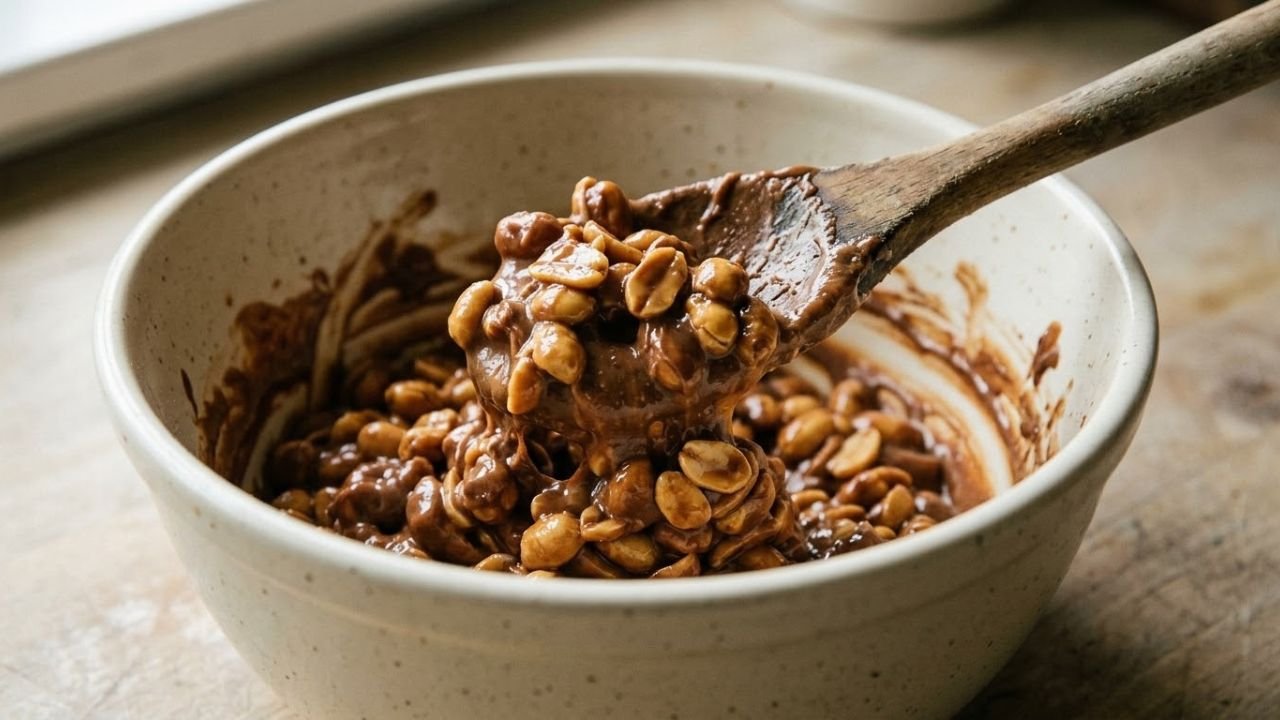
Pour the roasted peanuts into the melted mixture. Stir until the coating reaches as many of the peanuts as possible. If the mixture is too thick to stir comfortably, add the optional teaspoon of oil and mix again.
4. Shape the clusters.
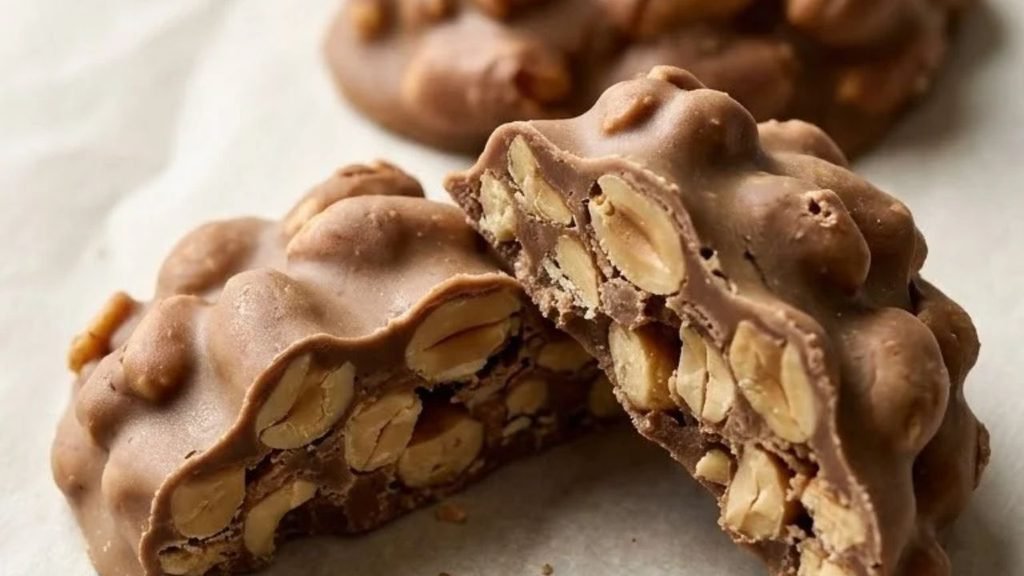
Drop heaped tablespoons of the mixture onto the prepared tray. Press loose peanuts gently into each mound so the coating can hold them together as it sets.
5. Let them firm up.
Leave the tray at room temperature for approximately 45–60 minutes, or refrigerate the clusters for around 20–30 minutes. Check that they are firm before transferring them to a container. Warm or humid conditions can affect how quickly they set.
Easy Ways to Serve These Little Treats
Peanut clusters are sweet enough to serve in small portions, making them useful when you want something homemade without preparing a full dessert.
- With coffee or tea: Serve one or two clusters alongside a cup of unsweetened coffee or black tea. The slight bitterness of the drink offsets the sweet coating.
- On a dessert platter: Arrange them with plain biscuits, fresh fruit, or a few pieces of dark chocolate for a mixture of flavours and textures.
- As homemade gifts: Place completely set clusters in small paper sweet cups inside a food-safe tin or box. Separate layers with parchment to prevent sticking.
- For festive gatherings: Make smaller clusters so guests can take one without committing to a large, very sweet portion.
A light sprinkle of flaky salt before the coating sets is another option, particularly if you use unsalted peanuts.
Keeping the Clusters Fresh and Firm
Once the clusters have set completely, place them in an airtight container. In a cool, dry room, they may keep well for around 3–5 days, although the actual shelf life depends on the ingredients, humidity, storage conditions, and how they are handled. Use your own judgement about freshness and discard any that develop an unusual smell, appearance, or texture.
If your kitchen is warm, refrigeration is a better option for keeping the coating firm. Separate the layers with parchment paper so the clusters do not stick together.
Refrigerated clusters can be left at room temperature briefly before serving. Avoid leaving them uncovered for long periods, especially in humid weather, because condensation may affect the coating. Freezing is also possible in a well-sealed, freezer-safe container, although the texture after thawing can vary.
Common Mistakes That Affect the Final Result
Heating the chips for too long
Butterscotch chips can become thick or grainy when overheated. Use short heating intervals, stir frequently, and stop heating once the mixture is nearly smooth. The remaining warmth can finish the job.
Adding too many peanuts
A nut-heavy mixture gives you plenty of crunch, but too little coating leaves the clusters loose. If the mixture will not hold together, make smaller portions or stir in a little additional melted coating.
Choosing a coating that is too sweet
Butterscotch chips are naturally sweet, and some brands taste sweeter than others. Semi-sweet chocolate helps balance that flavour. If you prefer a richer but less sugary finish, replace a small portion of the butterscotch chips with dark chocolate rather than adding extra salt to compensate.
Moving the clusters before they set
The coating needs time to firm up around the peanuts. If the clusters are still soft in the centre, leave them longer in a cool place or return them to the refrigerator before handling.
Storing them while still warm
Packing the clusters before they have completely set can make them stick together. Let them firm up first, then transfer them to a dry, airtight container.
FAQ’s
1. Can I make peanut clusters with only butterscotch chips?
Yes. You can use butterscotch chips alone, provided they melt and coat the peanuts adequately. The flavour will be sweeter and more distinctly buttery than the version made with chocolate. Melting behaviour varies by brand, so heat gently.
2. Why are my peanut clusters falling apart?
The coating may be insufficient, too thick to distribute evenly, or not fully set. Stir the peanuts thoroughly into the melted mixture and make smaller clusters if necessary. Allow enough time for the coating to harden before moving them.
3. Can I use honey-roasted peanuts?
You can, but the additional sweetness may make the finished clusters noticeably sweeter. Plain dry-roasted peanuts are easier to balance with butterscotch chips and chocolate.
4. Do I need to refrigerate peanut clusters?
Not always. If the room is cool and dry, they can set and remain firm at room temperature. Refrigeration is useful in warmer kitchens, where the coating may soften.
5. Can I leave out the chocolate chips?
Yes. Use butterscotch chips alone if you prefer their flavour. However, the coating may behave differently, so melt slowly and check that it is fluid enough to coat the peanuts.
A Small Sweet Treat That Gets the Basics Right
Peanut clusters with butterscotch chips are easy to adapt once you understand what each ingredient contributes. The peanuts supply crunch, the butterscotch adds buttery sweetness, and the chocolate brings balance. Melt the chips gently, coat the nuts evenly, and give the clusters enough time to set. With those details in place, a few everyday ingredients can become a simple homemade treat for sharing, gifting, or keeping on hand when a sweet craving strikes.